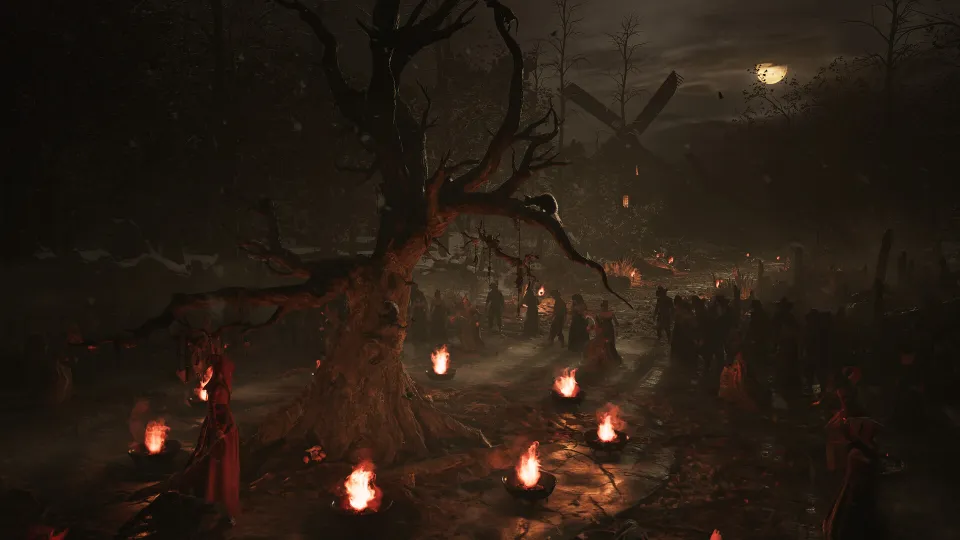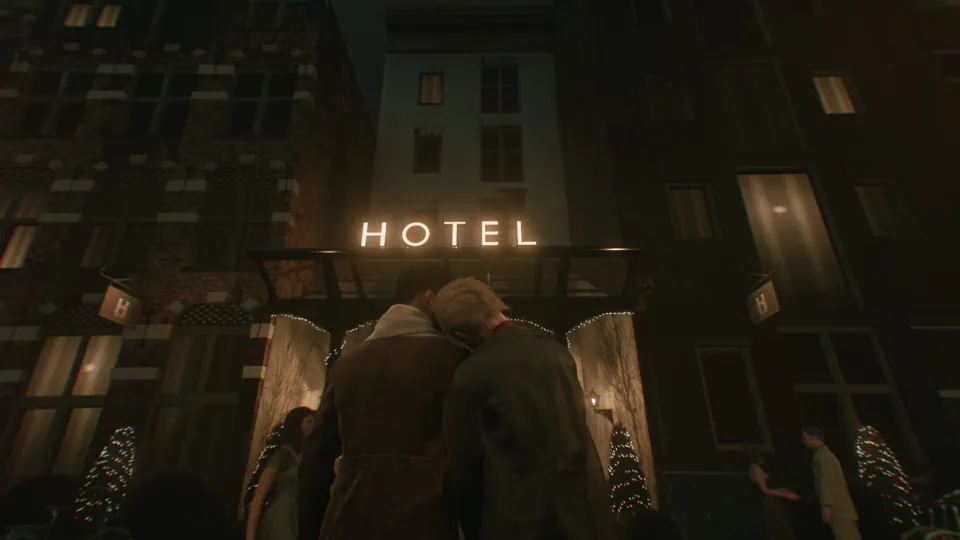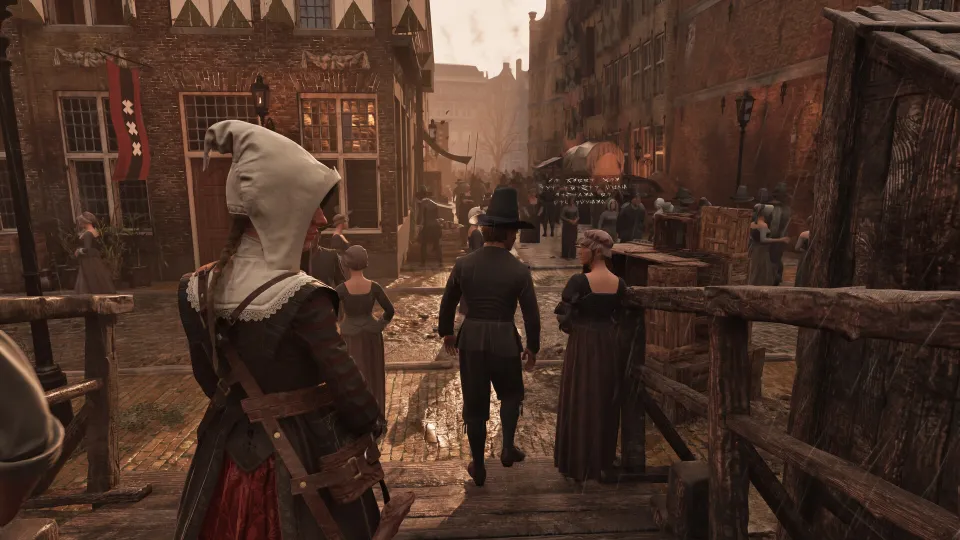
The controversy began when players questioned whether game and marketing assets used generative AI. Panache acknowledged that early versions of some portraits and external marketing assets had reached the Prologue, said it was reviewing them, and later reporting quoted a decision to stop AI use after conception and pre-production.
Player questions and the official response
An official Steam community post said people had raised concerns about marketing and game assets. Panache said its review found early versions in the Prologue, including some portraits and external marketing material, and stated that human-made replacements were being reviewed.
The reported policy change
GamesRadar later reported that Patrice Désilets said the project would not use AI anymore and that its earlier use belonged to conception and pre-production. That is the clearest reported policy statement, but it should remain attributed rather than rewritten as an independent technical audit.
Why launch coverage remained critical
PC Gamer's launch impressions argued that AI-associated material had reached more than the demo. That criticism and Panache's replacement process can coexist: one describes what the reviewer believed was visible in a specific build, while the other describes the studio's response and intended policy.
What is not established
No complete asset inventory or production-tool list is public, and the game does not describe its gameplay systems as generative AI. Treat screenshots without a traceable origin cautiously, then compare future patches with Panache's notes and the assets in the current build.