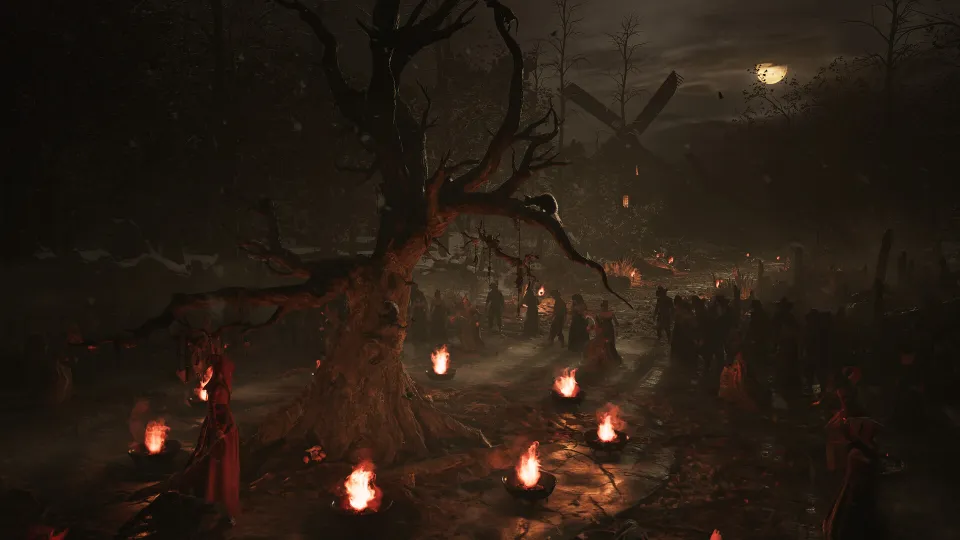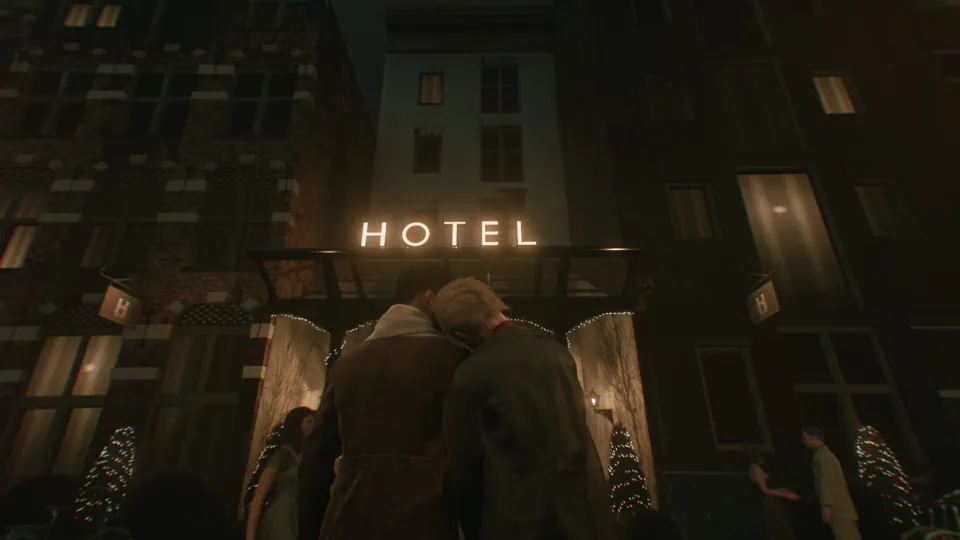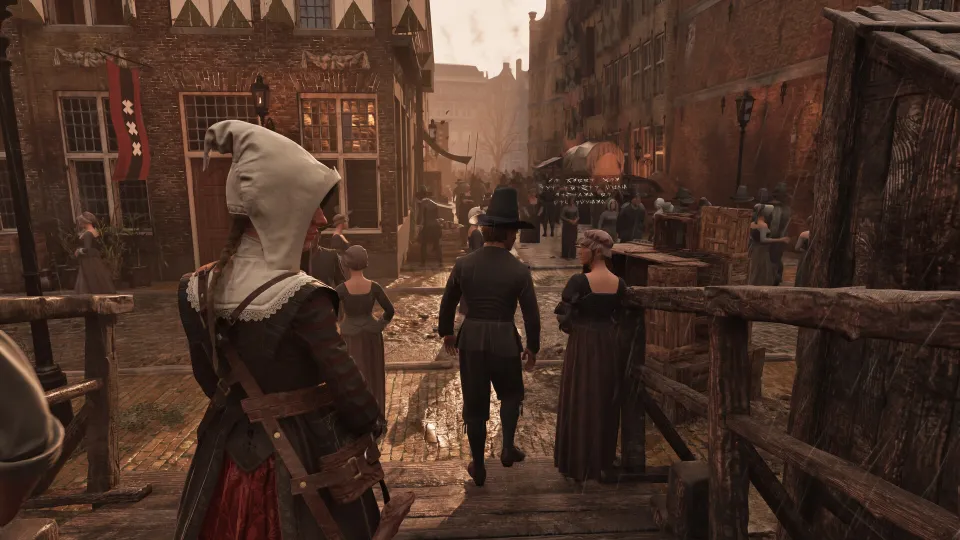
Generative AI is a production controversy, not a gameplay feature. Panache acknowledged that early versions of some portraits and external marketing assets reached the Prologue, said it was reviewing them, and later reporting quoted creator Patrice Désilets saying the project would no longer use AI after conception and pre-production.
What Panache acknowledged
An official Steam community post said the studio reviewed questioned assets and found that early versions had reached the Prologue, including some in-game portraits and external marketing materials. The post also emphasized that Panache had a team of experienced artists working on the game.
What later reporting said
GamesRadar reported that, after the backlash, the creator said 1666: Amsterdam would not use AI anymore and characterized prior use as limited to conception and pre-production. That statement describes the studio's stated policy after the controversy; it is not an independent audit of every shipped file.
Why reports can appear inconsistent
PC Gamer's launch impressions argued that AI-related material had reached more than the demo, while Panache's response described a review-and-replacement process. The responsible conclusion is that AI-linked assets were publicly disputed and acknowledged, followed by a stated decision to stop using AI—not that every questioned asset has been catalogued publicly.
What players can verify
Read Panache's dated response, compare current in-game and store assets after patches, and watch for patch notes describing replacements. Unlabelled social screenshots do not prove which production tool made an asset, and the current game information does not describe AI-driven enemies, dialogue, or gameplay.